

For decades, video games have been one of the most exciting forms of entertainment for many people. But, what used to be sixty dollars for new releases has quietly crept up to seventy dollars, and even eighty dollars for many titles. And this trend isn’t just about inflation; it’s about the gaming industry and how they are pushing the limits of what players are willing to pay, often with no additional value at all.
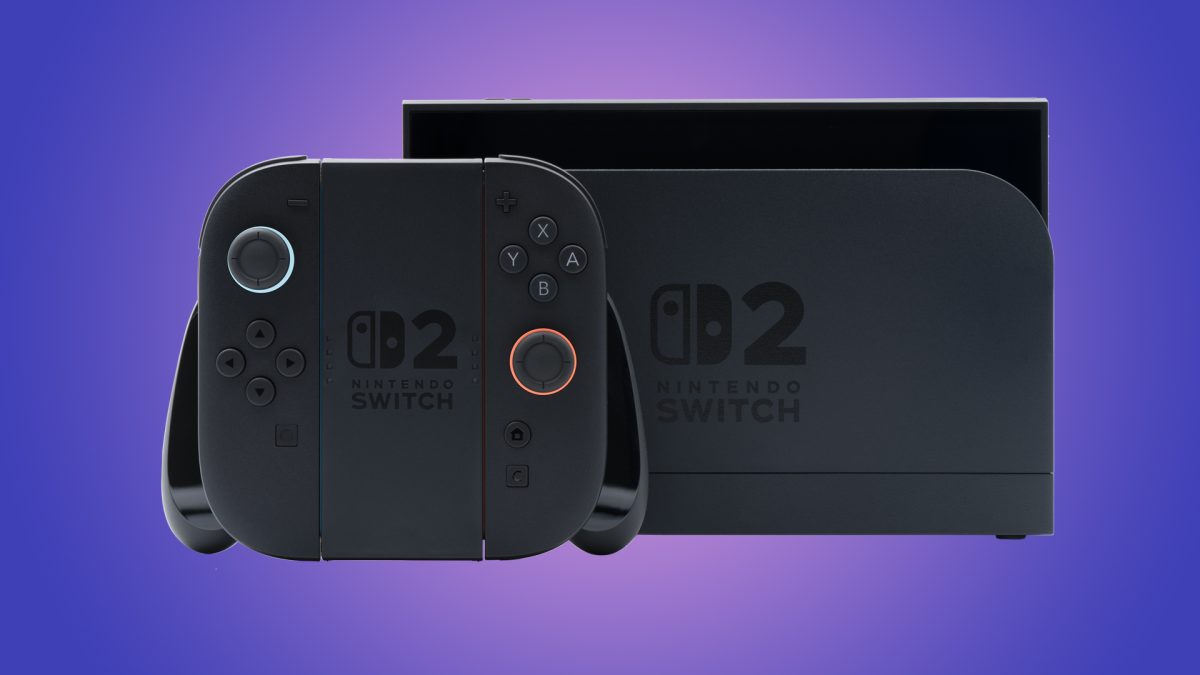
Even when adjusting for inflation, the cost of gaming has changed drastically. Nintendo in particular, has many fans criticizing the prices. In the early days, the company’s consoles, the NES, SNES, and Nintendo 64 were all retailed around $199. The Wii era saw a slight bump to $249, the price increase felt justified by the innovation of a hybrid portable and home console. When the Nintendo Switch launched in 2017 for $299, it felt like a fair price for what it offered. For the first time, players could seamlessly switch between docked and portable play. This design was revolutionary; its price point, though higher than Nintendo’s earlier consoles, made sense. Fast forward to 2025, and the newly released Nintendo Switch 2 carries a price tag of $449. Unfortunately, the leap in features doesn’t match the leap in cost. The upgrades include having a larger screen, slightly better graphics, more storage, and a sturdier stand. These changes between the Switch were comparable to a new iPhone version. This was demonstrative of a wider trend in gaming: paying more, but getting less.
It’s not just consoles. Nintendo’s first-party games have also gotten pricier and arguably less polished; one notable example is the recently released Pokémon Z-A. Critics largely gave the game favourable reviews, holding a 79/100 on Metacritic. But looking at user reviews, the story changes; the user score sits around 4.5 (or 45/100) with more than half the ratings being negative. While the game may look good on paper, many players feel it didn’t deliver in execution. Many players gave reviews calling it disappointing, half-baked or a cynical cash grab.
On top of that, a major Nintendo release, like Pokémon Z-A, can cost up to $80, not including DLC or add-ons. Meanwhile, players on other platforms are experiencing the same thing: Marvel’s Spider-Man 2 and Ghost of Tsushima 2 both launched at $80, compared to their predecessors’ $60 price point just a few years ago.
Even on PC, where digital distribution once promised lower prices, the trend is similar. The “average price of a Steam game has increased from $11 in 2018 to $16 in 2025, a jump of nearly 5.5% a year, outpacing the U.S. average inflation rate of 3.7% during the same period.” (APP.senstortower.com) Microtransactions and “deluxe editions” add another layer of hidden cost; paying $80 for a game doesn’t mean getting the full experience anymore: expansions, skins, and content can easily double the price.
Not all hope is lost, though. Indie (independent) developers continue to push out creative, high-quality games at reasonable prices. One standout example is Hollow Knight: Silksong, often hailed as a masterpiece. At just $20, it’s received glowing praise for the artistry and depth, proving that affordability and excellence can still coexist in today’s market.
Video games’ rapidly increasing inflation isn’t just a greedy, money-grabbing power move, but a relevant shift of priorities by the gaming industry as focus gradually changed. Nowadays, companies are betting on customers’ brand loyalty, reinforcing emotions such as nostalgia, and also constantly attempting to promise players a better, and more high-tech gaming experience. This transformation reflects how the industry has moved from simply selling games to selling long-term engagement—where graphics, online content, and exclusive experiences matter just as much as the game itself.